![LED Edmonton [Logo]](http://lededmonton.com/assets/img/logo.png)
Energy costs continue to be one of the largest ongoing expenses for homeowners and businesses throughout Edmonton and the surrounding metropolitan area. Whether you’re managing a household budget, operating a retail store, maintaining a warehouse, or overseeing a commercial property, reducing electricity consumption has become a priority for improving financial performance and long-term sustainability.
One of the most effective ways to achieve immediate and measurable savings is through LED lighting upgrades.
While many property owners understand that LED lighting is more efficient than traditional lighting technologies, fewer understand the true impact LED conversions can have on monthly utility bills, maintenance expenses, and overall operating costs.
This guide explains how LED lighting reduces energy costs, the financial benefits of upgrading, and why Edmonton homes and businesses continue to make the switch.
Why Lighting Has a Significant Impact on Energy Costs
Lighting is one of the most frequently used electrical systems in any property.
For homeowners, lighting is used throughout the day and evening in kitchens, living rooms, bathrooms, garages, basements, and outdoor spaces.
For businesses, lighting often operates for extended hours across offices, warehouses, retail stores, parking lots, schools, and industrial facilities.
Because lighting is used so consistently, even small improvements in efficiency can produce substantial savings over time.
The Problem with Traditional Lighting
Older lighting technologies consume significantly more electricity than modern LED systems.
Common examples include:
- Incandescent bulbs
- Halogen lamps
- Compact fluorescent lamps (CFLs)
- T8 and T12 fluorescent tubes
- Metal halide fixtures
- High-pressure sodium fixtures
Many of these systems waste a large portion of their energy as heat rather than producing usable light.
This inefficiency directly increases electricity consumption and operating costs.
Understanding LED Efficiency
LED stands for Light Emitting Diode.
Unlike traditional bulbs that generate light through heated filaments or gas excitation, LEDs produce light through semiconductor technology.
The result is significantly higher energy efficiency.
How LEDs Use Less Power
LED fixtures require substantially less electricity to generate the same or better levels of illumination.
For example:
| Traditional Lighting | LED Equivalent |
| 60W Incandescent | 8W to 10W LED |
| 100W Incandescent | 14W to 18W LED |
| 400W Metal Halide | 150W to 200W LED |
| 32W Fluorescent Tube | 12W to 18W LED Tube |
This means property owners can achieve equal or superior lighting performance while dramatically reducing energy consumption.
How Much Can Edmonton Property Owners Save?
The actual savings depend on several factors:
- Existing lighting technology
- Number of fixtures
- Daily operating hours
- Utility rates
- Property size
- Lighting application
However, most LED upgrades reduce lighting energy consumption by 30% to 90%.
Residential Savings Example
Consider a home with:
- 40 frequently used bulbs
- Average usage of 5 hours per day
- Older incandescent or halogen fixtures
Switching to LED alternatives can significantly reduce annual electricity usage related to lighting.
While individual monthly savings may seem modest, the cumulative savings over the lifespan of the fixtures become substantial.
Many homeowners save hundreds of dollars over the life of their LED lighting systems while enjoying better lighting quality.
Commercial Properties Often See the Largest Savings
Businesses often experience the most dramatic financial impact from LED conversions because lighting systems operate for longer periods and involve significantly more fixtures.
Common Commercial Applications
LED upgrades are frequently performed in:
- Office buildings
- Warehouses
- Manufacturing facilities
- Retail stores
- Schools
- Recreation centers
- Property management facilities
- Restaurants
- Healthcare facilities
For many commercial properties, lighting can represent a significant portion of total electricity consumption.
Reducing that demand creates immediate operational savings.
Warehouse and Industrial LED Savings
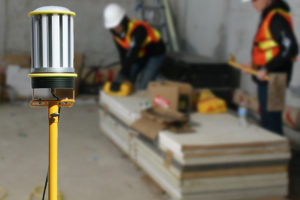
Warehouses and industrial facilities are among the largest beneficiaries of LED technology.
Many facilities still operate outdated:
- Metal halide high bays
- Fluorescent high bays
- HID lighting systems
These fixtures often consume large amounts of electricity while delivering inconsistent lighting quality.
Benefits of LED High Bay Conversions
Modern LED high bay fixtures provide:
- Lower wattage consumption
- Better illumination
- Reduced maintenance
- Instant-on operation
- Improved workplace safety
A facility operating dozens or hundreds of fixtures can realize significant annual savings after converting to LED lighting
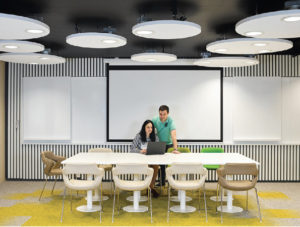
Office Lighting and Energy Reduction
Office environments rely heavily on consistent lighting throughout the workday.
Traditional fluorescent systems can be costly to operate and maintain.
LED office lighting reduces:
- Electricity consumption
- Replacement frequency
- Maintenance costs
At the same time, employees benefit from:
- Improved visibility
- Better color rendering
- Reduced eye strain
- Enhanced comfort
The result is a workplace that is both more efficient and more productive.
Retail Stores Benefit from Lower Costs and Better Customer Experiences
Lighting plays a critical role in retail environments.
It influences:
- Product visibility
- Customer perception
- Store atmosphere
- Purchasing decisions
LED lighting allows retailers to improve presentation while reducing operating costs.
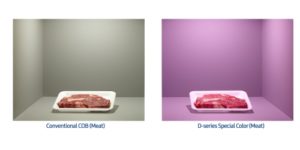
Modern LED fixtures provide:
- Superior color accuracy
- Consistent brightness
- Lower energy consumption
- Longer fixture life
This creates a win-win scenario for both customers and business owners.
Reduced Maintenance Equals Additional Savings
Energy savings are only part of the financial equation.
Many property owners overlook the maintenance costs associated with traditional lighting systems.
The Hidden Cost of Old Lighting
Traditional lamps require:
- Frequent bulb replacements
- Ballast replacements
- Service calls
- Lift equipment
- Labour costs
These expenses add up quickly.
LED fixtures are designed to last significantly longer than conventional alternatives.
Many commercial-grade fixtures offer lifespans ranging from 50,000 to 100,000 hours.
This dramatically reduces maintenance requirements and associated costs.
LED Lighting Reduces Cooling Costs
An often-overlooked benefit of LED lighting is reduced heat generation.
Traditional lighting systems convert a significant amount of energy into heat.
LED technology operates much more efficiently and generates less excess heat.
Why This Matters
Lower heat output can reduce cooling demands in:
- Offices
- Retail stores
- Warehouses
- Commercial facilities
- Residential homes
While cooling savings vary by property type, they provide an additional layer of efficiency that contributes to overall cost reduction.
Smart Controls Increase Energy Savings Further
Modern LED systems can be integrated with advanced lighting controls.
These technologies maximize efficiency by ensuring lights are only used when needed.
Popular Energy-Saving Controls
Examples include:
Occupancy Sensors
Lights automatically turn off when spaces are unoccupied.
Motion Sensors
Ideal for storage rooms, hallways, parking areas, and garages.
Daylight Harvesting
Lighting output adjusts based on available natural light.
Scheduling Controls
Lights operate according to predetermined schedules.
Combining LED fixtures with smart controls can significantly increase overall energy savings.
Sustainability Benefits for Edmonton Property Owners
Lower energy consumption doesn’t just reduce costs.
It also reduces environmental impact.
Many businesses and homeowners are seeking ways to improve sustainability and reduce their carbon footprint.
LED lighting helps achieve these goals by:
- Using less electricity
- Producing less waste
- Lasting longer
- Reducing replacement frequency
For organizations pursuing environmental initiatives, LED upgrades support both financial and sustainability objectives.
Why Edmonton’s Climate Supports LED Performance
Alberta’s climate presents unique challenges for some lighting technologies.
LED fixtures perform exceptionally well in cold environments.
Benefits include:
- Instant startup during winter
- Reliable operation
- Consistent brightness
- Enhanced outdoor performance
This makes LED technology particularly valuable for:
- Parking lots
- Exterior building lighting
- Garages
- Industrial yards
- Security lighting
Property owners gain both reliability and efficiency throughout the year.
Calculating Return on Investment
One of the most common questions asked by homeowners and businesses is:
How Quickly Will LED Lighting Pay for Itself?
The answer depends on:
- Number of fixtures
- Existing lighting system
- Operating hours
- Energy costs
- Installation costs
In many commercial environments, payback periods range from two to five years.
Facilities with long operating hours often see even faster returns.
After reaching payback, the ongoing energy and maintenance savings continue to improve profitability year after year.
Choosing Quality LED Products Matters
Not all LED lighting products are created equally.
Low-quality products may offer lower upfront costs but can result in:
- Reduced performance
- Shorter lifespan
- Lower efficiency
- Higher replacement rates
Property owners should work with experienced lighting suppliers who understand:
- Product specifications
- Lighting design
- Energy-saving opportunities
- Application requirements
Choosing the right solution ensures maximum savings and long-term performance.
Why Edmonton Property Owners Continue to Upgrade to LED
The shift toward LED lighting is driven by clear and measurable benefits.
Property owners are realizing:
- Lower utility bills
- Reduced maintenance expenses
- Improved lighting quality
- Better safety
- Longer fixture life
- Enhanced sustainability
- Strong return on investment
Whether it’s a single-family home, office building, retail store, warehouse, or industrial facility, LED technology offers one of the most practical and cost-effective upgrades available today.
For Edmonton homeowners and businesses looking to reduce energy costs, LED lighting remains one of the smartest investments available.
By lowering electricity consumption, minimizing maintenance requirements, reducing cooling loads, and improving overall lighting performance, LED upgrades provide both immediate and long-term financial benefits.
As utility costs continue to rise, investing in energy-efficient lighting solutions can help protect budgets while creating safer, brighter, and more sustainable spaces.
LED Edmonton offers high-quality residential, commercial, and industrial LED lighting solutions designed to help customers throughout the Edmonton metropolitan area maximize energy savings and long-term value.
Ready to lower your energy costs? Contact LED Edmonton today to explore LED lighting solutions that deliver measurable savings and exceptional performance.
Call Us: (780) 554-1716
Email Us: sales@lededmonton.com
Visit Our Website: https://www.lededmonton.com/
Essential Takeaways
How does LED lighting reduce energy costs?
LED lighting uses significantly less electricity than traditional lighting technologies while producing the same or better levels of illumination.
How much can LED lighting save on electricity bills?
Most LED upgrades reduce lighting energy consumption by 30% to 90%, depending on the existing lighting system and usage patterns.
Are LED upgrades worth it for Edmonton businesses?
Yes. Businesses often achieve substantial energy savings, reduced maintenance expenses, and payback periods between two and five years.
Do LED lights reduce maintenance costs?
Yes. LED fixtures last significantly longer than traditional bulbs, reducing replacement frequency, labour costs, and service expenses.
Can LED lighting lower cooling costs?
Yes. LEDs generate less heat than traditional lighting systems, which can reduce cooling demands in homes and commercial buildings.
Are LEDs effective in Alberta’s winter climate?
Absolutely. LEDs perform exceptionally well in cold temperatures and provide reliable, instant illumination outdoors.
What types of properties benefit most from LED upgrades?
Homes, offices, warehouses, retail stores, industrial facilities, schools, and multi-family properties all benefit from LED lighting conversions.
What is the typical ROI of an LED lighting upgrade?
Most commercial LED projects achieve ROI within two to five years through combined energy and maintenance savings.